
LGBTQ+ Affirming Counselling
A space where all of you is welcome.
Support for LGBTQ+ people navigating sexuality, gender identity, belonging and self-acceptance.
You don't need all the answers before starting therapy.
You don't have to figure it all out alone.
You may have started questioning your sexuality or gender identity and found that it's bringing up all kinds of confusing thoughts and anxious feelings.
You might find yourself wondering:
"How do I know if I'm LGBTQ+?"
"What if I'm not sure about my gender?"
"Why can't I stop thinking about this?"
Or perhaps you've already come out, but still find yourself struggling with feeling "not good enough", a sense of not quite belonging, or grief for relationships, communities or versions of yourself that have changed along the way.
Maybe it leaves you wondering why being yourself still feels harder than it seems to be for everyone else.
For many LGBTQ+ people, we've grown up within families, friendships, faith communities, workplaces and cultures that have often taught us — directly or indirectly — that some parts of who we are are more acceptable than others.
Over time, we can learn to hide parts of ourselves, second-guess our feelings, or make ourselves smaller in order to stay safe, avoid rejection or protect our relationships.
If any of this feels familiar, you're not alone.
Many people come to LGBTQ+ affirming therapy not because they need fixing, but because they want a space where they can explore who they are without judgement, pressure or expectation.

What we can work on together
Whether you're questioning your sexuality, exploring your gender identity or trying to feel more at home in yourself, therapy can provide a space to slow down, reflect and make sense of what you're experiencing.
Together, we might explore:
Questioning your sexuality, sexual orientation or gender identity
Exploring what different labels, identities or experiences mean to you
Navigating the coming out process
Managing gender dysphoria
Navigating gender transition and the changes it may bring
Managing anxiety, overwhelm or exhaustion linked to coming out, identity exploration or experiences of minority stress
Processing grief, loss and change as you become more fully yourself
Working through feelings of being "not good enough" or "not queer enough"
Building self-acceptance and self-trust
Processing shame, rejection or difficult past experiences
Healing from family rejection, relationship challenges or experiences of exclusion
Exploring relationship diversity, including non-monogamy and polyamory
Finding a stronger sense of belonging, connection and confidence in who you are
You don't need to arrive with a clear goal or a fixed sense of identity.
Therapy often begins with a feeling that something doesn't quite fit, a question you can't stop returning to, or a desire to understand yourself more deeply.
“Laura creates such a safe and welcoming space in counselling with a genuinely warm and attentive approach. I always felt truly heard and supported and I would absolutely recommend her to anyone seeking a compassionate and caring professional in a space without judgement, especially for those in the LGBTQ+ community.”
- Maria
Frequently Asked Questions
-
As an LGBTQ+ therapist, I often see people worry that they should know their exact sexuality, sexual orientation or gender identity immediately - it can feel like a big pressure. But many people spend time questioning, exploring and making sense of their feelings before finding a label that feels right for them.
For some people, there is a clear moment of recognition. For others, understanding their sexuality or gender identity is a gradual process.
Therapy can provide a space to explore your thoughts, feelings and experiences without pressure to reach a particular conclusion. You don't need to have all the answers right now.
-
It's completely okay to be unsure.
Many people explore questions about their gender identity for months or even years. Some eventually identify as transgender, non-binary or gender diverse. Others find that different labels fit at different stages of their lives.
Therapy isn't about telling you who you are. It's about creating space for curiosity, reflection and self-understanding, so you can discover what feels authentic and meaningful for you.
-
Not at all.
In fact, many people come to therapy because they aren't sure.
You don't need a label, a clear goal or a fixed sense of identity before reaching out for support. Sometimes therapy begins with a feeling that something doesn't quite fit, a question you can't stop returning to, or a desire to understand yourself more deeply.
You are welcome exactly as you are.
-
Yes, it can.
As an LGBTQ+ therapist, I see how questioning your sexuality or gender identity can bring up a wide range of emotions, including anxiety, confusion, grief, self-doubt, excitement and hope.
Many LGBTQ+ people also experience minority stress — the emotional impact of growing up in a world where being different isn't always accepted, understood or celebrated.
Over time, this can contribute to anxiety, low mood, overwhelm, exhaustion or a strong inner critic. Therapy can help you make sense of these experiences and develop a more compassionate relationship with yourself.
Therapy can also help build skills to manage anxiety, recover from burnout and calm your inner critic.
Together, we'll explore how your nervous system responds to stress and why certain situations can leave you feeling overwhelmed, anxious or stuck.
We'll begin to understand what triggers your threat system and, importantly, what helps you feel calm and safe.
From there, we'll develop practical tools to support your wellbeing, which might include breathing exercises, movement, mindfulness, creativity, connecting with others or simply curling up with your favourite Netflix show.
-
Therapy can't tell you whether, when or how to come out.
What it can do is provide a safe space to explore your thoughts, feelings, hopes and fears.
Together, we can think about what coming out means to you, what support you might need, and how to navigate any uncertainty or anxiety that comes with the process.
Whether you decide to come out, who you choose to tell, and when you do so will always be your decision.
-
LGBTQ+ affirming counselling recognises and celebrates the diversity of LGBTQ+ identities and experiences.
It means having a space where you don't need to educate your therapist about LGBTQ+ experiences, explain why certain things matter, or hide parts of yourself in order to feel accepted.
And, as a queer person myself, it means working with someone who understands that sexuality and gender identity are valid parts of human diversity, rather than problems that need to be fixed.
-
You're not alone in feeling this way.
Many LGBTQ+ people worry that they're not "queer enough", especially if they're questioning, newly out, in a mixed-orientation relationship, exploring their gender, or comparing their experiences to other people.
There is no right way to be LGBTQ+.
You don't need to prove your identity, meet a particular standard or have a certain set of experiences in order to belong.
Queer affirming therapy can offer a space to explore these feelings with curiosity and compassion, and to develop a stronger sense of trust in your own experience.
If you have any questions not answered here, either check out my FAQ page or send me a message using the contact form. Its normal to have lots of questions when you’re starting therapy and I’m here to help you get the answers you need.

You don't need to have it all figured out.
Many people come to therapy because they're still exploring who they are.
They may be questioning their sexuality or gender identity, navigating change, grieving relationships that have shifted, or simply trying to understand why they don't feel fully at home in themselves.
You don't need certainty before starting therapy.
And you don't need to have all the answers.
Therapy can be a space to slow down, get curious and listen more closely to yourself.

What Happens in Therapy Sessions
No two people are the same, so I don't believe therapy should be either.
Some people need space to talk things through. Others find it easier to connect with their thoughts and feelings through mindfulness, creativity or learning practical skills to manage anxiety and overwhelm.
As an integrative counsellor, I draw on a range of approaches including person centred theory, psychodynamic theory, neuroscience and trauma-informed practice so we can tailor therapy to your individual needs. Together, we'll find what feels most helpful for you. Our work might include:

Sometimes simply saying things out loud can bring relief. Therapy for anxiety and overwhelm offers a space to explore your thoughts, feelings and experiences at your own pace, without judgement or pressure.

Sometimes words aren't enough. Drawing, imagination, metaphor and creative exercises can help us explore experiences from a different perspective and discover new ways of understanding ourselves.

Many people who struggle with anxiety have spent years looking after everyone else, keeping the peace or shrinking themselves so they take up less space. Together, we can explore how these experiences may have shaped your nervous system and develop ways to help you feel calmer, safer and more grounded.

At the heart of my work is the belief that healing often begins with understanding.
When we start to understand why we think, feel and respond in the ways we do, it becomes easier to meet ourselves with compassion rather than criticism.
Because all parts of you deserve understanding.

When anxiety, overwhelm or difficult memories start affecting everyday life, it can be helpful to learn practical tools to support your wellbeing. This might include grounding techniques, breathing exercises, mindfulness or other strategies that help you feel more in control.
Training, Qualifications and Professional Memberships
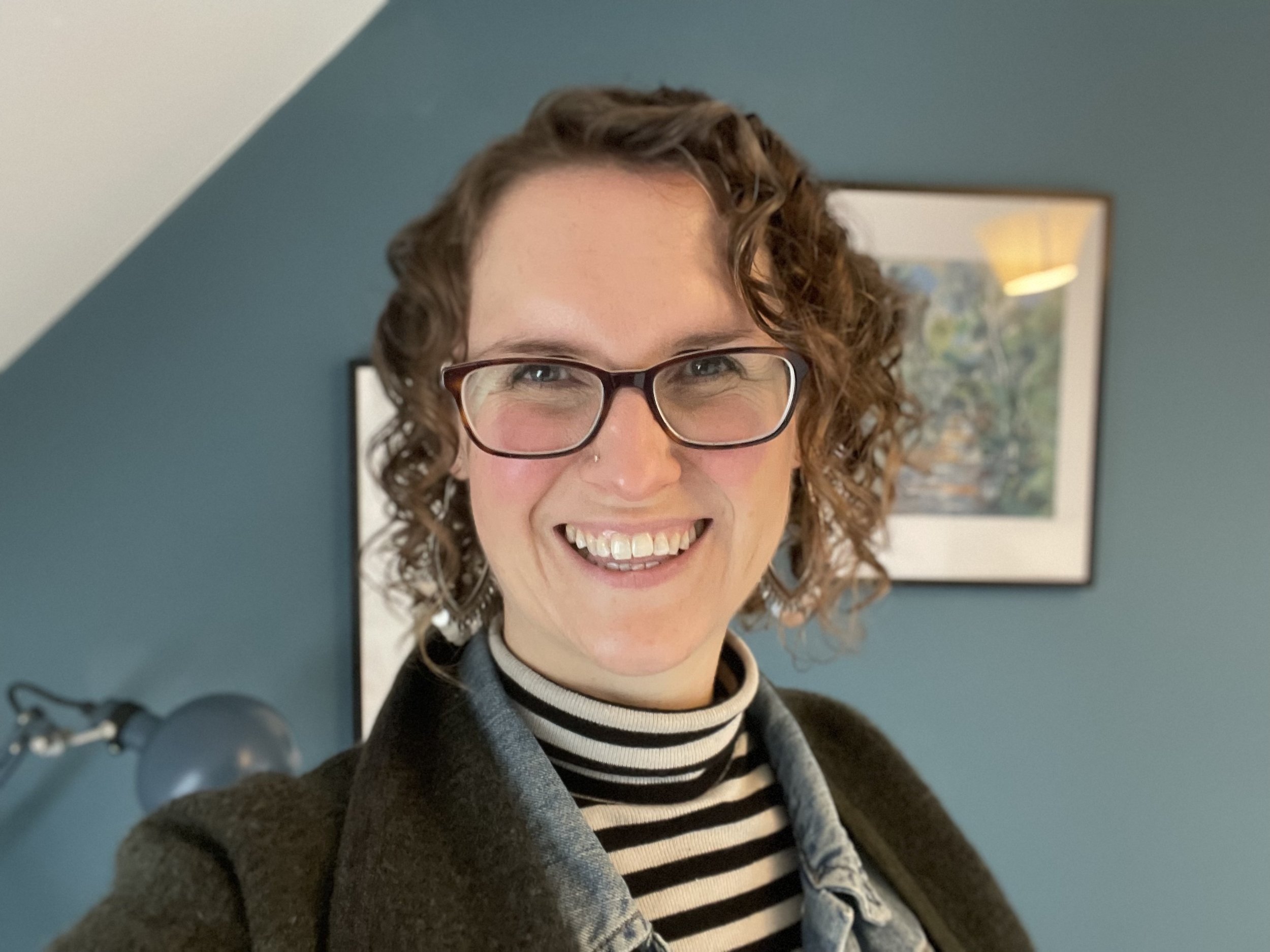
Laura Simmonds is a BACP registered counsellor, qualifying with a Diploma in Therapeutic Counselling through CPCAB in 2017 and working as a therapist for nearly 10 years.
Laura’s work is LGBTQ+ affirming, neurodiversity affirming and trauma-informed, and she regularly undertakes additional training to deepen her understanding in LGBTQ+ affirmative practice, trauma-informed therapy and neurodiversity-affirming approaches. You can find out more about the courses she’s recently taken on the About Me page.
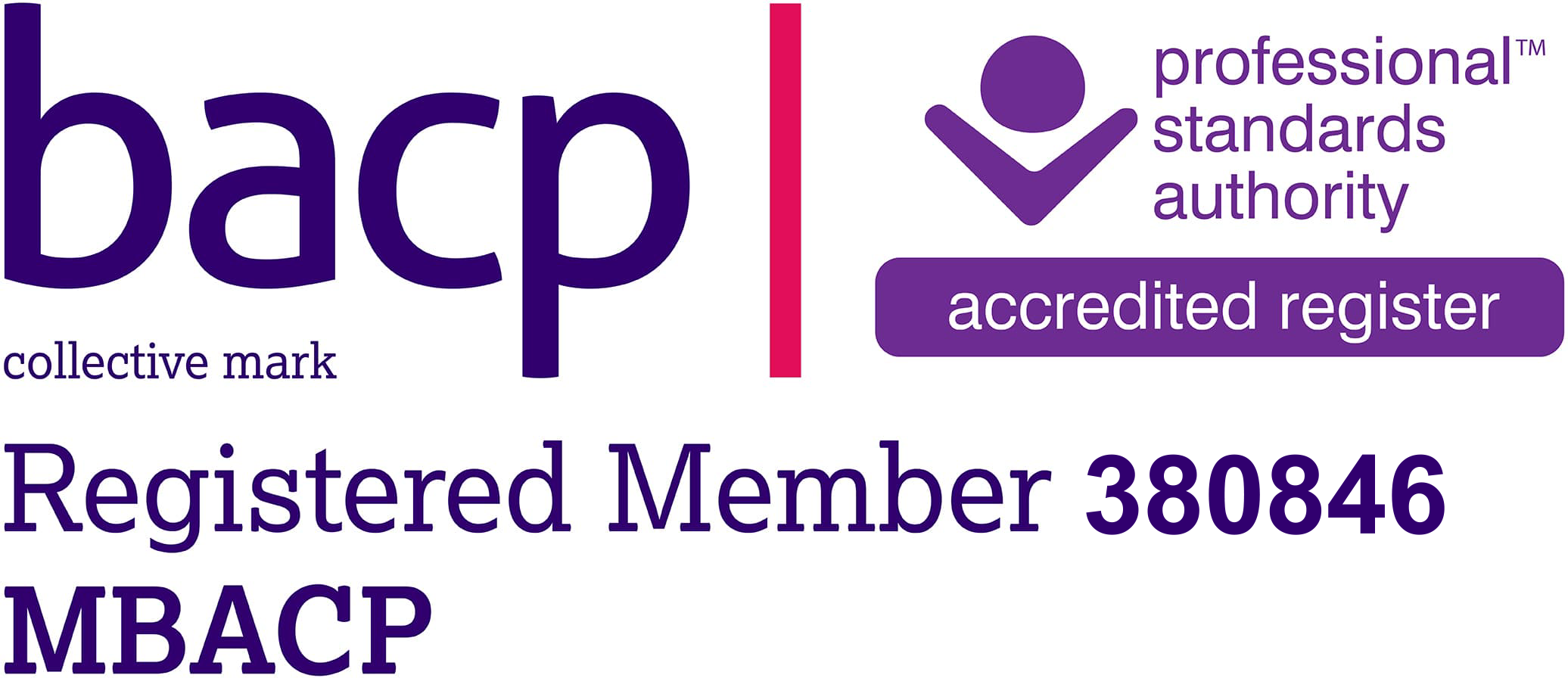
Laura Simmonds is a registered member of the British Association for Counselling and Psychotherapy (mBACP 380846) and works within their Ethical Framework, which helps ensure therapy is safe, professional and respectful.
Practical Details
Finding the right therapist is important.
That's why I offer a free 15-minute phone consultation. It's an opportunity for us to briefly talk about what you're looking for, ask any questions you may have and see whether working together feels like a good fit.
There is no obligation to book further sessions afterwards.
Although I'm based in Tonbridge & Tunbridge Wells, Kent, many of my clients are based across the UK including London and the South East. Online therapy means you can access support from the comfort of your own home, wherever you're based.
Individual counselling sessions cost £68 per session.
Please get in touch if you have any questions about availability or fees.
Get in touch by clicking ‘Contact Me’ (or hit the button below) and sending me a message on the contact form.
If you’re not sure what to write, saying something as simple as ‘I’m interested in starting therapy’ is enough.
I aim to reply to you within 1-2 days.
We’ll arrange a time to talk on the phone for 15 minutes, which gives us the chance to chat about any questions you may have and check to see if we’re a good fit. This consultation is completely free.
If you would like to, we can then arrange to start therapy sessions at a regular day and time each week.


Taking the First Step
Reaching out for support can feel daunting, especially if you've spent a long time trying to manage things on your own.
You don't need to know exactly what to say when you get in touch.
A simple message saying, "I'm interested in therapy" is enough.
I’d love to hear from you.

You might also find these pages helpful…
Many people find that anxiety doesn't exist in isolation. It can be shaped by the experiences we've had, the environments we've lived in and the ways we've learned to navigate the world.
If thats you, you may also find these pages helpful:
Neurodivergent Affirming Therapy
Many neurodivergent adults experience anxiety alongside masking, sensory overwhelm or years of feeling misunderstood. Therapy can help you make sense of these experiences with compassion, not judgement.
Anxiety, Overwhelm and People Pleasing Counselling
Support for anxiety, overwhelm, overthinking and people pleasing, helping you understand yourself with compassion rather than self-blame.
Learn more about Anxiety, Overwhelm and People Pleasing Therapy→


Read the Blog