Online Counselling for Anxiety
Support for adults who feel anxious, overwhelmed and exhausted from putting everyone else first.
You don't have to abandon yourself anymore.
Perhaps you've spent years feeling as though it's your job to keep everyone else okay.
Perhaps you've become so used to putting everyone else's needs first that your own barely register anymore.
Or you might find yourself replaying conversations long after they've ended, worrying that you've upset someone. Or notice that you apologise, even when you haven't done anything wrong.
You might look like you're coping from the outside, but inside you're exhausted.
Perhaps you've started wondering:
"Why can't I switch off?"
"Why do I worry so much?"
"Why does everything feel so overwhelming?"
Anxiety is often our body's way of keeping us on alert, making sure we're always thinking, always anticipating, always trying to keep the peace.
It's our body's way of trying to keep us safe.
Somewhere along the way, your nervous system learned that staying safe meant avoiding conflict, keeping other people happy or making yourself smaller to take us less space.
Your anxiety isn't wrong - it's the understandable response of a nervous system that's been working incredibly hard to protect you.
But, it's exhausting and overwhelming.
What once helped you survive may no longer be helping you live.
Counselling offers a space to understand where these patterns came from, help your nervous system feel safe again, grow the self-confidence to build better boundaries and begin treating yourself with compassion.

What we can work on together
Whether you've lived with anxiety for years or you've simply reached a point where you can't keep carrying everything on your own anymore, anxiety counselling offers a space to slow down, understand what's been keeping your nervous system on high alert, and begin finding a different way of living.
Together, we might explore:
Understanding where your anxiety comes from and why your nervous system finds it so difficult to switch off
Understanding people pleasing and learning that caring for yourself doesn't mean caring less about other people
Setting healthier boundaries without feeling guilty or selfish
Managing overthinking, constant worry and replaying conversations
Letting go of the belief that you're responsible for everyone else's emotions
Building self-worth that isn't dependent on keeping other people happy
Understanding perfectionism, self-criticism and the pressure to always get things right
Recovering from chronic stress, emotional exhaustion and burnout
Learning practical ways to regulate your nervous system and feel calmer in everyday life
Exploring how childhood experiences, relationships or past trauma may have shaped your patterns of coping
Reconnecting with your own needs, values and sense of self
Creating healthier, more balanced relationships where your needs matter too
Learning to recognise the difference between keeping yourself safe and abandoning yourself
Building a life where you no longer have to stay in survival mode
Therapy doesn't begin by trying to stop your anxiety.
It begins by understanding yourself with compassion, recognising that these patterns developed for good reasons, and slowly discovering that you don't have to abandon yourself anymore.
From there, life can begin to feel different.
“Laura created a space of deep emotional safety, compassion, and consistency that allowed me to explore difficult truths without fear. Her ability to see beneath the surface, gently challenge when needed, and hold space without judgment made our sessions not only healing but transformative. She helped me re-frame my inner narrative, recognise patterns, and reconnect with a version of myself that feels grounded and whole.”
- Lindsay
Frequently Asked Questions
-
Living with anxiety can be exhausting.
You might feel as though your mind never switches off, your body is constantly tense, or you're always waiting for something to go wrong. Perhaps you find yourself worrying about other people, doubting yourself, replaying conversations or struggling to truly relax.
Over time, living like this might leave you feeling overwhelmed, drained and eroding your self confidence.
Anxiety isn't a sign that you're weak or "overreacting".
Anxiety is your body's way of trying to keep you safe. Your nervous system is constantly scanning for anything that might feel threatening, preparing you to respond long before you've consciously realised something feels wrong.
The reasons our nervous system becomes stuck in this state are different for everyone. For some people, it grows out of childhood experiences, difficult relationships or past trauma. For others, anxiety is shaped by the way their brain processes the world, hormonal changes, or the ongoing stress of navigating environments where they haven't always felt understood, accepted or safe.
Rather than asking, "What's wrong with me?" therapy gently begins asking a different question:
"What has my nervous system learned, and what has it been trying to protect me from?"
Understanding your anxiety doesn't make it disappear overnight.
But anxiety counselling can help you understand where these patterns came from, recognise the ways your nervous system learned to protect you, gently heal from what's happened in the past, and begin discovering new ways of responding that no longer require you to stay on high alert.
As self-blame begins to make way for understanding, many people find they feel calmer, more confident and better able to respond to life rather than constantly reacting to it.
Because anxiety isn't a sign that you're failing.
It's a sign that your nervous system has been working incredibly hard to keep you safe.
-
Overthinking can be incredibly draining.
Perhaps you find yourself replaying conversations over and over, worrying you've said the wrong thing or wondering how someone else interpreted what you said.
Maybe you spend hours, even weeks, weighing up decisions, second-guessing yourself or imagining everything that could go wrong before something has even happened.
It can feel like your mind is on hyperdrive, your neck constantly tense, and relaxing nigh on impossible.
But overthinking is often your mind's way of trying to protect you.
Somewhere along the way, your nervous system has learned that mistakes, conflict, rejection or doing things the 'wrong way' might lead to criticism or emotional pain. So it makes sense that your mind starts working overtime trying to prevent those things from happening.
For some people, these patterns develop through childhood experiences or difficult relationships. For others, stress, perfectionism or the way a neurodivergent brain processes information can make it much harder to switch those thoughts off.
But while your mind is trying to help you, overthinking might often leave you feeling stuck, overwhelmed and doubting yourself even more.
Anxiety counselling isn't about trying to force your thoughts to stop.
It's about understanding what your mind has been trying to protect you from, recognising that these patterns developed for good reasons, and learn tools that help your nervous system discover it no longer has to carry the weight of every possible outcome.
As self-blame begins to make way for understanding, many people find they become better able to trust themselves, make decisions with more confidence and spend less time caught in endless loops of worry.
-
If you always find yourself putting everyone else first, you're not alone.
Perhaps you spend so much time and headspace checking that everyone else is okay, you don't even get a moment to register how you're doing.
Maybe you say yes when you really want to say no.
Or worry about disappointing people, even when what they're asking feels unreasonable.
Or apologise for taking up space, asking for help or simply having needs of your own.
Sometimes, people tell me they've spent so long making themselves smaller to keep everyone else comfortable, they don't even know what they need anymore.
Often, these patterns develop because somewhere along the way, your nervous system has learned that keeping other people happy was one of the safest ways to protect yourself.
Not because you were weak.
Not because you're "just a people pleaser."
But because, at some point in your life, putting other people's needs first may have genuinely helped you avoid conflict, criticism, rejection or emotional pain.
Those strategies often make perfect sense.
But while they may once have helped you feel safe, they can gradually leave you feeling exhausted, resentful, overwhelmed and disconnected from yourself.
Therapy isn't about becoming less kind or less caring.
It's about understanding why your nervous system learned that your own needs came second, gently rebuilding trust in yourself, and discovering that your needs matter just as much as everyone else's.
Because caring for yourself doesn't mean caring less about other people.
It simply means recognising that your needs matter too.
-
For many people, the moment they say "no" — to a work colleague, friend, partner or even their own child — their stomach twists, their throat tightens and guilt arrives almost instantly.
Almost immediately, another voice appears.
"What if I've done the wrong thing?"
"What if they're upset?"
"What if I've let them down?"
There's a part of you that really cares about others - and maybe even enjoys making sure everyone feels looked after.
But alongside that caring part, there's often another part (let's call them the People Pleaser) that's quietly terrified of what might happen if someone is disappointed.
This part has learned 'if I keep everyone else happy, they won't become angry, go silent or criticise me'.
Our People Pleasing part has often learned early on that keeping other people happy keeps us safe. It might have been an important way to keep someone happy, avoid their anger, or hide the aspects of neurodivergence that other people were impatient with.
That guilty feeling isn't simply telling you to say yes.
It's your People Pleaser sounding the alarm.
It's trying to protect you from the rejection, conflict or emotional pain it believes might follow if you put yourself first.
Counselling isn't about getting rid of your People Pleaser.
That part of you developed for a reason.
Instead, therapy offers a space to understand what it's been trying to protect you from, while gently helping it discover that saying no no longer has to mean losing love, safety or belonging.
It's about helping you discover that caring for yourself and caring for others don't have to be opposites.
It's recognising that your needs matter too.
-
Many people worry they need to be able to explain why they feel anxious before starting counselling. In reality, therapy often begins much more simply than that.
We might start by talking about what's been happening recently, what's feeling difficult right now, or the moments that leave you feeling overwhelmed, stuck or exhausted.
As we get to know one another, we'll begin to gently explore the patterns underneath those experiences. Together, we'll become curious about how your anxiety has developed, what your nervous system has learned to expect, and how those patterns may have made sense at the time.
Alongside this, I'll help you understand what's happening in your brain and body when anxiety takes over. We'll explore what triggers your nervous system, discover practical ways to help it feel calmer, and find approaches that feel realistic for your everyday life.
We might also use exercises that help you develop greater self-compassion, build boundaries that feel right for you, and gradually begin responding to yourself with the same kindness you so often offer other people.
Throughout all of this, we'll also notice your strengths, the ways you've learned to cope, and the parts of you that have worked incredibly hard to keep you safe.
There isn't any pressure to share everything straight away, and you never have to talk about experiences before you feel ready. Therapy moves at a pace that feels safe for you.
Over time, many people find that understanding themselves with greater compassion helps them feel less overwhelmed, more connected to themselves, and better able to respond to life rather than constantly reacting to it.
-
There isn't a one-size-fits-all answer.
For some people, therapy on its own is enough to help them understand their anxiety, process difficult experiences and develop new ways of responding to life's challenges. For others, medication can play an important role in reducing the intensity of anxiety, making it easier to cope day to day or to engage more fully in therapy.
Neither choice is a sign of weakness.
Taking medication doesn't mean you've failed, and choosing therapy doesn't mean you should simply be able to "think differently."
The right approach depends on your individual circumstances, how anxiety is affecting your life, and what feels right for you.
Many people find that a combination of therapy and medication works well. Others choose one or the other.
In therapy, we can explore what's contributing to your anxiety, help you understand the patterns that keep it going, and think together about what kind of support would be most helpful for you. If you're unsure whether medication might be useful, it's always worth discussing your options with your GP or another medical professional.
The aim isn't simply to reduce anxiety.
It's to help you feel safer, more connected to yourself, and better able to live the life you want.
If you have any questions not answered here, either check out my FAQ page or send me a message using the contact form. Its normal to have lots of questions when you’re starting therapy and I’m here to help you get the answers you need.

Perhaps you've spent so long looking after everyone else that asking for support feels uncomfortable, or even undeserved.
But counselling isn't something you have to earn.
You don't need to wait until things get worse or convince yourself that your struggles are "bad enough."
Your needs matter just as much as anyone else's.
And when you're no longer carrying everything on your own, you might find you have more space, energy and compassion for the people who matter most.
What Happens in Therapy Sessions
No two people are the same, so I don't believe anxiety therapy should be either.
Some people need space to talk things through. Others find it easier to connect with their thoughts and feelings through mindfulness, creativity or learning practical skills to manage anxiety and overwhelm.
As an integrative counsellor, I draw on a range of approaches including person centred theory, psychodynamic theory, neuroscience and trauma-informed practice so we can tailor therapy to your individual needs. Our work might include:

Sometimes simply saying things out loud can bring relief. Therapy for anxiety and overwhelm offers a space to explore your thoughts, feelings and experiences at your own pace, without judgement or pressure.

Sometimes words aren't enough. Drawing, imagination, metaphor and creative exercises can help us explore experiences from a different perspective and discover new ways of understanding ourselves.

Many people who struggle with anxiety have spent years looking after everyone else, keeping the peace or shrinking themselves so they take up less space. Together, we can explore how these experiences may have shaped your nervous system and develop ways to help you feel calmer, safer and more grounded.

At the heart of my work is the belief that healing often begins with understanding.
When we start to understand why we think, feel and respond in the ways we do, it becomes easier to meet ourselves with compassion rather than criticism.
Because all parts of you deserve understanding.

When anxiety, overwhelm or difficult memories start affecting everyday life, it can be helpful to learn practical tools to support your wellbeing. This might include grounding techniques, breathing exercises, mindfulness or other strategies that help you feel more in control.
Training, Qualifications and Professional Memberships
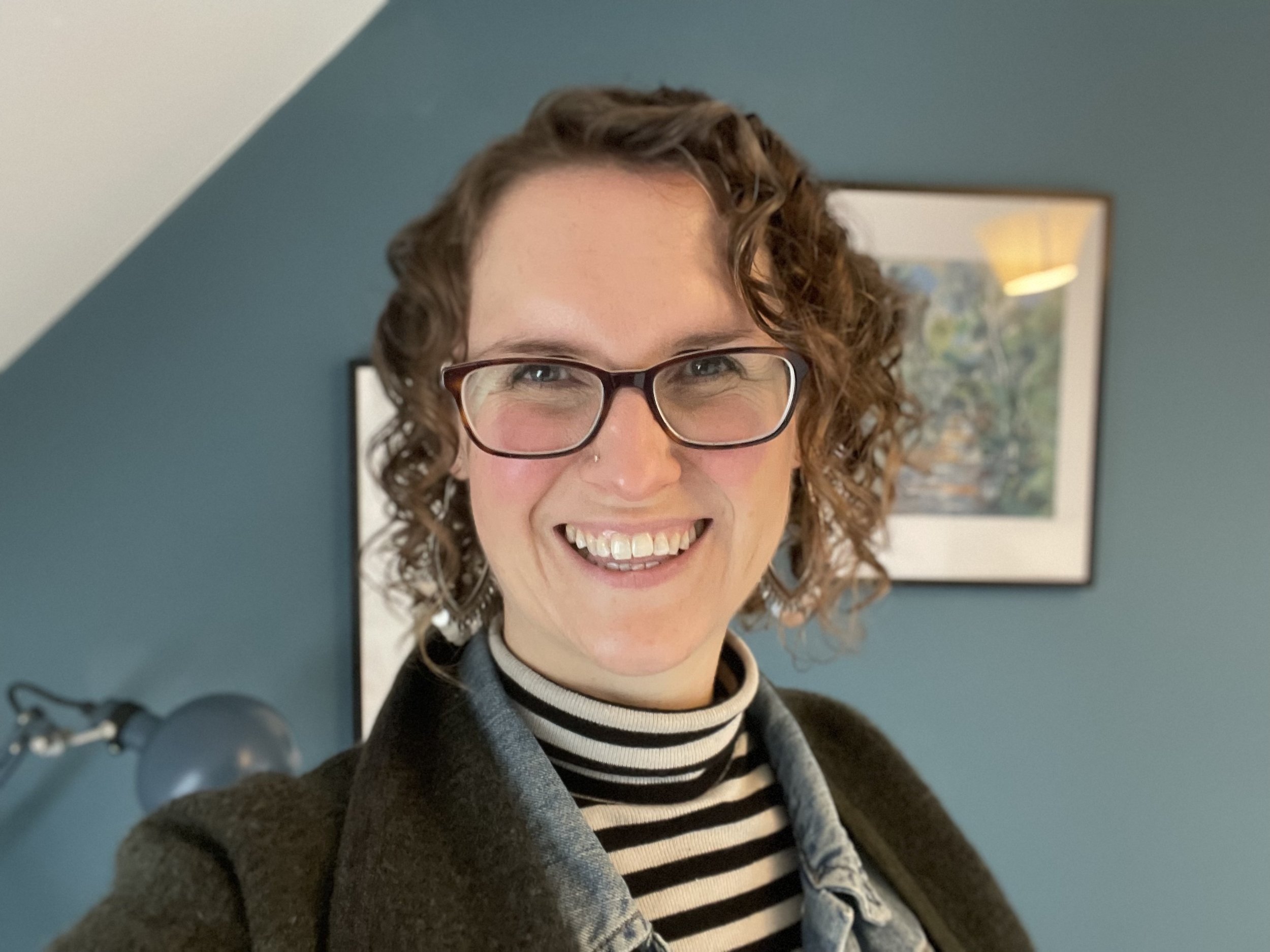
Laura Simmonds is a BACP registered counsellor, qualifying with a Diploma in Therapeutic Counselling through CPCAB in 2017 and working as a therapist for nearly 10 years.
Laura’s work is LGBTQ+ affirming, neurodiversity affirming and trauma-informed, and she regularly undertakes additional training to deepen her understanding in LGBTQ+ affirmative practice, trauma-informed therapy and neurodiversity-affirming approaches. You can find out more about the courses she’s recently taken on the About Me page.
Laura Simmonds is a registered member of the British Association for Counselling and Psychotherapy (mBACP 380846) and works within their Ethical Framework, which helps ensure therapy is safe, professional and respectful.
Practical Details
Finding the right therapist is important.
That's why I offer a free 15-minute phone consultation. It's an opportunity for us to briefly talk about what you're looking for, ask any questions you may have and see whether working together feels like a good fit.
There is no obligation to book further sessions afterwards.
Although I'm based in Tonbridge & Tunbridge Wells, Kent, many of my clients are based across the UK including London and the South East. Online therapy means you can access support from the comfort of your own home, wherever you're based.
Individual counselling sessions cost £68 per session.
Please get in touch if you have any questions about availability or fees.
Get in touch by clicking ‘Contact Me’ (or hit the button below) and sending me a message on the contact form.
If you’re not sure what to write, saying something as simple as ‘I’m interested in starting therapy’ is enough.
I aim to reply to you within 1-2 days.
We’ll arrange a time to talk on the phone for 15 minutes, which gives us the chance to chat about any questions you may have and check to see if we’re a good fit. This consultation is completely free.
If you would like to, we can then arrange to start therapy sessions at a regular day and time each week.


Taking the First Step
Reaching out for support can feel daunting, especially if you've spent a long time trying to manage things on your own.
You don't need to know exactly what to say when you get in touch.
A simple message saying, "I'm interested in therapy" is enough.
I’d love to hear from you.

You might also find these pages helpful…
Many people find that anxiety doesn't exist in isolation. It can be shaped by the experiences we've had, the environments we've lived in and the ways we've learned to navigate the world.
If thats you, you may also find these pages helpful:
Neurodivergent Affirming Therapy
Many neurodivergent adults experience anxiety alongside masking, sensory overwhelm or years of feeling misunderstood. Therapy can help you make sense of these experiences with compassion, not judgement.
LGBTQ+ Affirming Therapy
Questioning or exploring your sexuality or gender, navigating relationships, or living in environments where you haven't always felt accepted can all affect your wellbeing. You deserve a space where every part of you is welcome.

Read the Blog